

Can Babies Really Learn Two Languages at Once?
Many parents worry that exposing a baby to two languages at the same time might feel “too confusing” or delay their speech.
But in reality, babies are incredibly capable of learning multiple languages naturally from a very early age — especially when both languages are introduced consistently in a warm, everyday environment.
At Nest & Kin, we often work with families raising bilingual children in London, particularly through the support of Spanish-speaking nannies, and one of the most common questions we hear is:
“Can babies really learn two languages at once?”
The short answer is: yes — absolutely.
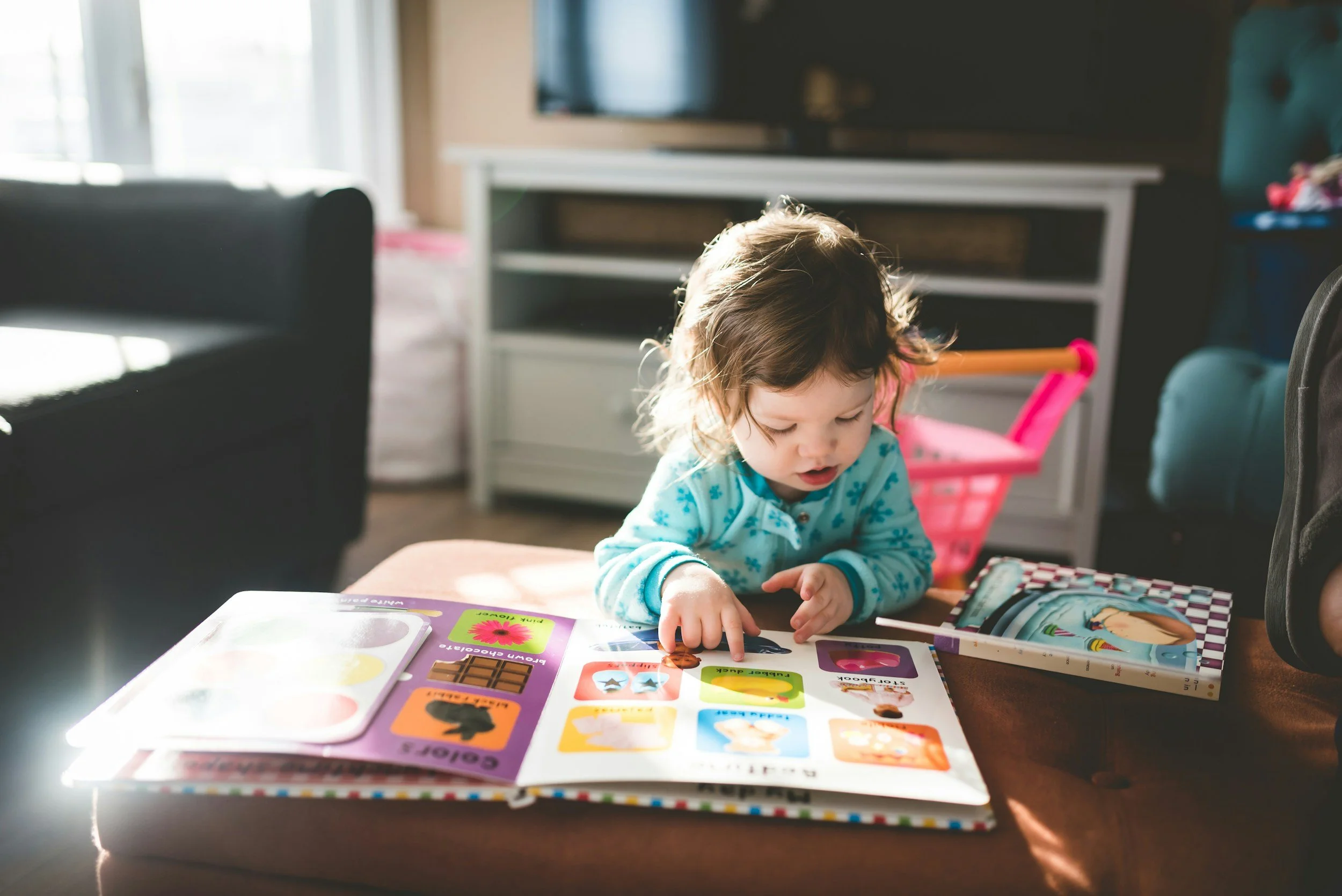
Babies’ brains are designed for language learning
During the first years of life, babies’ brains are highly adaptable and absorb language naturally through repetition, connection, play, and emotional interaction.
They are not “studying” language in the way adults do. Instead, they are constantly listening, observing patterns, sounds, tone, facial expressions, routines, and emotional cues.
This means babies can:
understand two languages simultaneously
recognise different sounds and accents
separate languages naturally over time
switch between languages depending on context
In many parts of the world, bilingualism is completely normal from birth.
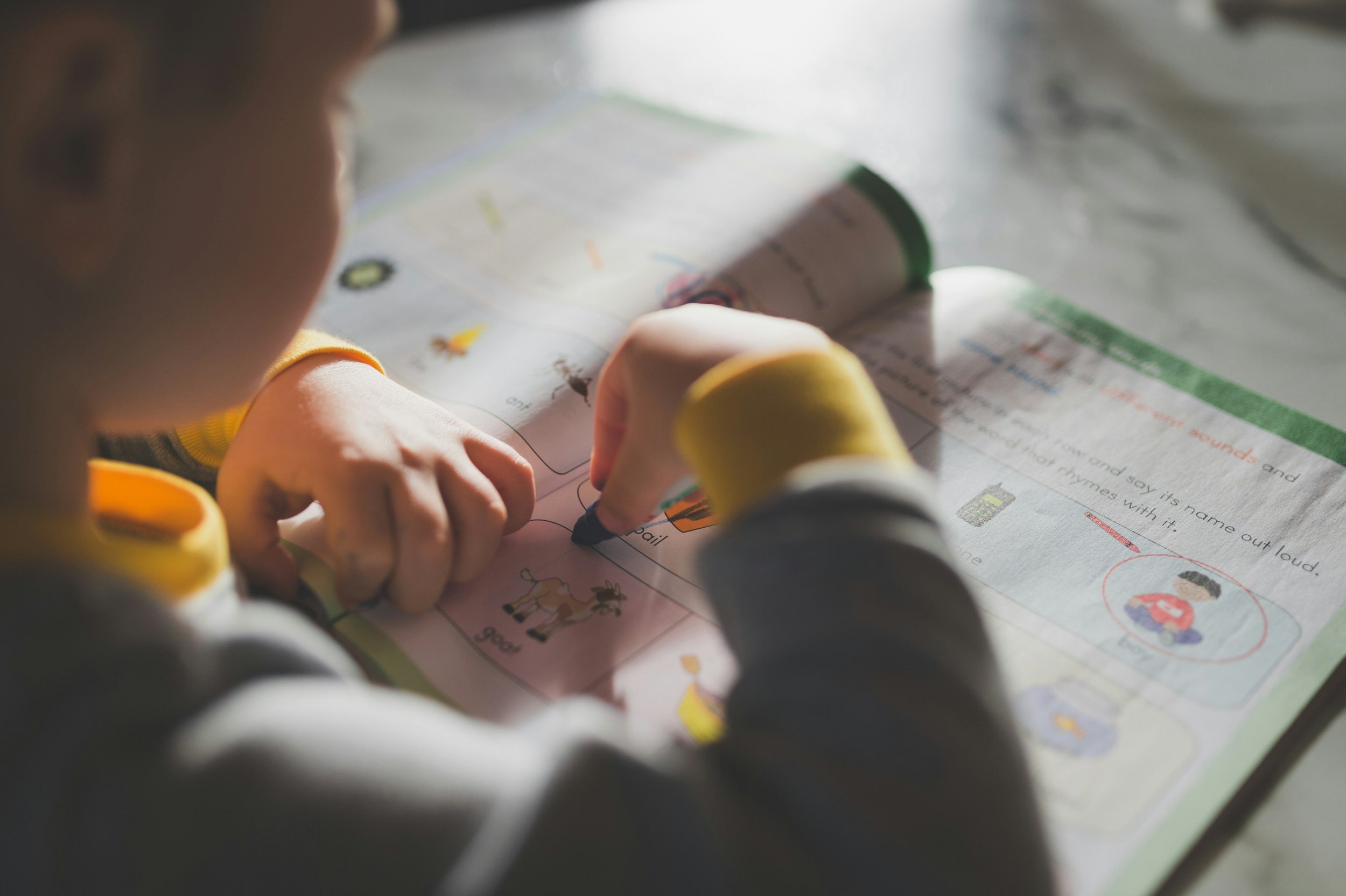
Does learning two languages delay speech?
This is one of the biggest myths around bilingual children.
Some bilingual children may initially mix words from both languages together, but this is completely developmentally normal and usually temporary.
For example, a child may say:
“agua please”
“quiero milk”
“more pan”
This does not mean they are confused.
It simply means they are using all the language tools available to communicate.
Research consistently shows that bilingual children reach language milestones within normal ranges, even if their vocabulary is divided across two languages.
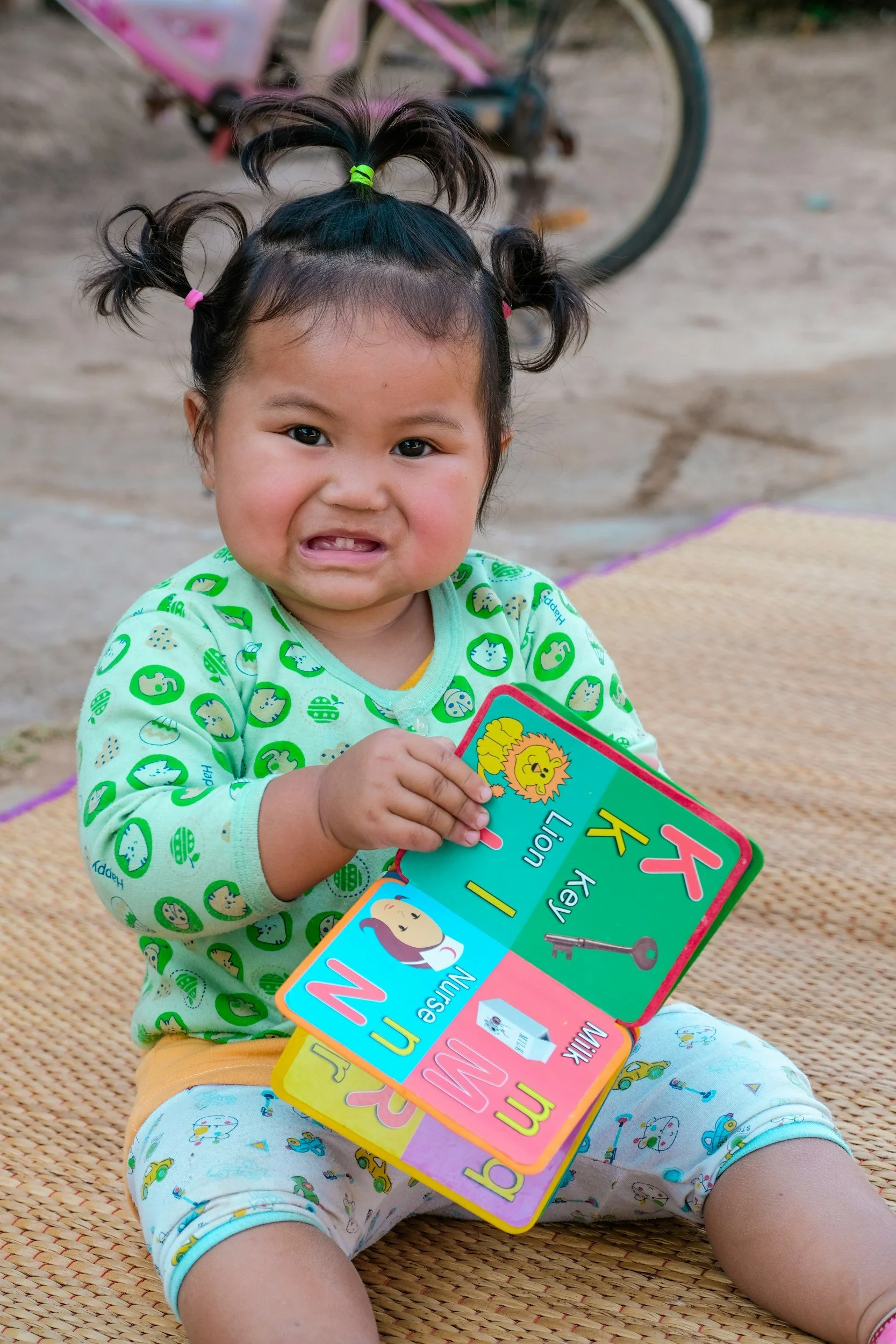
The benefits of bilingualism
Raising a bilingual child is not only about language itself.
Studies suggest bilingual children may benefit from:
stronger communication skills
improved cognitive flexibility
better problem-solving abilities
increased cultural awareness
easier future language learning
confidence communicating with wider family and communities
And emotionally, bilingualism can also strengthen family connections — especially when one parent or caregiver speaks another language at home.
Why consistency matters
The most important factor in bilingual learning is not perfection — it is consistency.
Children learn best when language feels:
natural
emotionally connected
part of daily life
This is why many families choose a Spanish-speaking nanny or bilingual caregiver.
A nanny naturally introduces language through:
songs
play
meals
routines
outdoor activities
storytelling
emotional comfort
Rather than “teaching” Spanish formally, the child simply experiences the language throughout everyday life.
What if parents don’t speak Spanish fluently?
That’s completely okay.
Many families we work with are not fully bilingual themselves but still want their children exposed to Spanish naturally from a young age.
Children do not need every adult around them to speak both languages perfectly.
Even regular exposure through one trusted caregiver can make a meaningful difference over time.
Every bilingual journey looks different
Some children begin speaking both languages equally early.
Others may understand one language first and speak the second later.
Some children become stronger in one language depending on nursery, school, friendships, or family environment.
All of this can be completely normal.
The key is creating a calm, supportive environment where language feels positive rather than pressured.
Final thoughts
Babies are far more capable than we often realise.
Learning two languages at once is not harmful or confusing — for many children, it becomes one of the most valuable gifts they carry into later life.
At Nest & Kin, we support families across London looking for warm, experienced Spanish-speaking nannies who can help create natural bilingual environments at home 🤍
Looking for a Spanish-speaking nanny in London?
At Nest & Kin, we specialise in matching families with warm, experienced Spanish-speaking nannies who support not only childcare, but also language development, emotional connection, and everyday family life.Whether you are looking for:full-time or part-time supportafter-school childcarenewborn carebilingual childcare at homewe would be happy to support your search 🤍
📩 Email: tamara@nestkin.co.uk
📱 WhatsApp: +44 7853 701735
🌐 www.nestkin.co.uk
